Cassiobury Park garden rubbish removal tips Watford
Posted on 11/08/2026
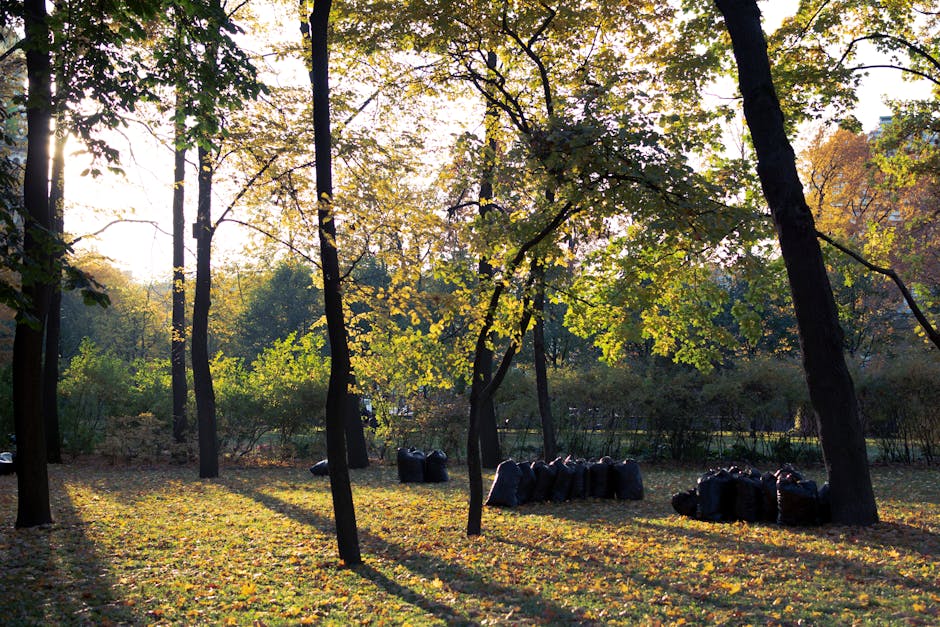
Cassiobury Park Garden Rubbish Removal Tips Watford
If you have ever hauled a soggy pile of hedge cuttings, broken pots, and a half-collapsed bag of weeds across a garden path, you will know the job is never as simple as it looks. Cassiobury Park garden rubbish removal tips Watford is really about making that whole process calmer, cleaner, and far less time-consuming. Whether you are tidying a family garden near the park, clearing up after a pruning spree, or dealing with a full seasonal overhaul, the same questions come up: what should be sorted, what can be reused, and what is the most sensible way to get rid of the rest?
This guide walks through the practical side of garden waste clearance in Watford, with a local, real-world focus. You will find step-by-step advice, common mistakes, compliance considerations, and a few small details that make a big difference. It is written for people who want the job done properly, not just quickly.
Why Cassiobury Park garden rubbish removal tips Watford Matters
Garden rubbish has a habit of building up in waves. One weekend it is a few pruned branches and grass clippings; the next, it is a far more awkward mix of soil, roots, rotten timber, and old planters. Around Cassiobury Park and the wider Watford area, many gardens are compact, shared, or bordered by narrow access routes, so poor planning can make the job harder than it needs to be.
Good garden rubbish removal matters for three simple reasons. First, it keeps your outdoor space usable. Second, it helps you avoid mixing recyclable green waste with general rubbish. Third, it reduces the chance of fly-tipping, skipped steps, or unnecessary handling. That last one is a quiet problem, to be fair. People often underestimate the weight and volume of garden waste until they are staring at three overfilled bags and a muddy driveway.
If you are clearing a garden near a local green space like Cassiobury Park, the aim is usually not just disposal. It is a proper reset. A tidy boundary, a safer path, and a cleaner finish all make the garden feel better straight away. That is especially important if the space is used by children, pets, tenants, or guests.
There is also a sustainability angle. Garden waste is one of the easiest waste streams to separate correctly. Leaves, grass, hedge trimmings, branches, and small woody material can often be handled differently from contaminated waste, broken garden furniture, or mixed rubbish. If you sort it well at the start, everything downstream gets easier.
How Cassiobury Park garden rubbish removal tips Watford Works
At a practical level, garden rubbish removal is a sequence: identify, separate, collect, load, and dispose. The better you do the first two stages, the less hassle you will have later. In our experience, most problems happen before anyone even starts lifting. A pile that looks neat enough from the patio can hide soil bags, rusty wire, broken terracotta, or odd bits of builders waste from a past project.
A sensible process usually looks like this:
- Inspect the waste carefully. Walk the garden and check what is there, not just the obvious top layer.
- Separate green waste from mixed rubbish. Keep cuttings, leaves, and small branches apart from plastics, pots, and damaged fixtures.
- Remove hazards first. Glass, nails, sharp metal, and unstable piles should be dealt with early.
- Break down bulky items. Fencing panels, trellis, and old compost bins take less space once dismantled.
- Bag or bundle by type. Neat loading saves time and helps prevent mess in transit.
- Choose the disposal route. Some loads suit garden waste removal, while others need general domestic waste collection or a broader clearance service.
For heavier or mixed jobs, it often makes sense to use a professional clearance service. A proper garden waste removal Watford service can be useful when the load includes bulky branches, multiple sacks, or awkward garden debris that is hard to move yourself. If the garden clear-out is part of a bigger property tidy-up, then domestic waste collection Watford may be the better fit, especially where the waste is mixed rather than purely green.
One important point: not all garden rubbish is "green waste" in the recycling sense. A bit of old decking, a cracked planter, or a few torn bags of mixed debris changes the disposal route. That distinction sounds minor, but it really matters. Quite a lot.
Key Benefits and Practical Advantages
The biggest benefit is time. What might take a homeowner half a day of sorting and several runs to a disposal point can often be handled in a single organised visit when the waste is prepared well. But speed is only part of it.
- Less physical strain: bagging, lifting, and moving wet green waste is harder than most people expect.
- Cleaner finish: a well-cleared garden feels ready to use, not just "tidied enough".
- Better recycling potential: separated garden waste is easier to route into the right stream.
- Safer workspace: removing hidden hazards lowers the chance of cuts, trips, and awkward lifting injuries.
- Less disruption: a tidy process avoids dragging mud through the house or down shared paths.
There is also a practical seasonal benefit. Spring and early summer can create a sudden rush of pruning and lawn cuttings, while autumn brings leaves, twigs, and a surprising amount of damp organic waste. If you have ever dealt with a bin that is already full and then had a hedge trimmed the same day, you will know the feeling. Not ideal. Not at all.
For larger jobs, speed and coordination matter just as much as disposal itself. If you are comparing different clearance services, it can help to look at services overview information first, then review pricing and quotes so you understand what is likely included before any collection is booked.
Who This Is For and When It Makes Sense
This kind of garden rubbish removal advice is useful for a broad mix of people, but a few groups tend to need it most.
- Homeowners doing seasonal garden maintenance after pruning, mowing, or clearing borders.
- Landlords and letting agents preparing a property between tenancies.
- Families with overgrown gardens that need a proper reset rather than a quick tidy.
- People preparing a home for sale who want kerb appeal to improve as quickly as possible.
- Residents with limited vehicle access or no easy way to transport waste themselves.
- Anyone clearing a mixed outdoor space with planters, soil, timber, and general rubbish all in one place.
It also makes sense when the garden is physically awkward. Narrow side access, stairs, shared entrances, and uneven paving can turn a simple job into a slow one. If you are in a property where carrying waste through the house would be messy or risky, a managed clearance is usually the calmer option.
And yes, sometimes it is about energy, not just logistics. There are weekends when you have the tools, the bags, and the good intentions - but not the back for it. Fair enough.
Step-by-Step Guidance
Here is the most practical way to approach a garden rubbish clear-out in Watford without making life harder for yourself.
1. Walk the garden before lifting anything
Start with a slow walk around the space. Look for hidden items under piles of cuttings, broken edges on old timber, and anything sharp or awkward. Check whether waste is mixed in with reusable items like pots, edging, or intact furniture.
2. Split the waste into clear groups
Keep the pile simple. A good split is:
- green waste
- soil and turf
- branches and woody material
- mixed garden rubbish
- bulky items such as broken furniture or planters
This is not about perfection. It is about making the load easier to understand. The more mixed the pile, the more likely it becomes a general clearance rather than a garden-only job.
3. Reduce the volume where you can
Cut long branches down to manageable lengths. Flatten bags where possible. Disassemble anything that is already broken and safe to break apart. You do not need to spend all afternoon with a saw, but a little reduction can save a lot of space. And space, frankly, is the whole game here.
4. Protect paths and access points
Lay down something protective if you are carrying waste through a house, garage, or narrow side path. Old boards, heavy-duty sheets, or even a temporary route can help stop mud and debris from spreading. Wet leaves are slippery, and nobody wants a muddy hallway that smells like cut grass for two days.
5. Load in the right order
Put heavy, compact items in first if you are loading a vehicle or arranging a collection. Light, bulky material can go on top if needed. Sharp waste should be secured so it does not shift around. This is basic stuff, but basic stuff is often what saves the day.
6. Confirm what needs special handling
If you find paint tins, treated timber, chemicals, or old electrical items in the garden store, do not just bundle them in with green waste. Those items can require different disposal treatment. If in doubt, pause and check before they are loaded.
7. Finish with a final sweep
Once the rubbish is gone, rake the area, check corners and behind sheds, and make sure no wire, glass, or sharp fragments remain. This final pass is small but important. It is the difference between "cleared" and properly finished.
Expert Tips for Better Results
A few small habits can make a garden rubbish removal job smoother, cheaper, and less stressful.
- Separate as you go, not afterwards. Sorting at the end is slower because every bag has already become a mystery bag.
- Keep wet material apart from dry debris. It is heavier, messier, and often harder to move.
- Use sturdy bags or bundles. Thin bags split at the worst time, usually when you are in a rush.
- Don't overfill containers. Overstuffed bags are a lifting hazard and a nuisance to carry.
- Plan around the weather. A dry morning is much kinder than a damp evening when everything sticks to your shoes.
- Check hidden weight. Soil and turf can be much heavier than they look.
If you are using a clearance company, choose one with clear safety and handling standards. It is worth reviewing insurance and safety information so you understand how the work is managed. That kind of reassurance matters, especially for awkward access or heavy loads.
Another good habit is to think about the end use of your garden before you clear it. If you are replanting, you may want to keep some organic material aside for composting. If you are preparing a patio or lawn replacement, you may be dealing with more non-organic debris than usual. That changes the plan a bit.

Common Mistakes to Avoid
Most garden clear-outs go wrong for very ordinary reasons. Nothing dramatic. Just small decisions that pile up.
- Mixing everything together. Green waste, rubble, plastic pots, and broken furniture should not all go in one heap if you want an efficient disposal route.
- Ignoring soil weight. Bags of earth are often heavier than they look, and they can become unsafe very quickly.
- Forgetting access constraints. A narrow gate or shared walkway can slow the whole job down.
- Leaving sharps in the pile. Broken glass, nails, and wire can injure anyone handling the waste later.
- Assuming all garden waste is recyclable in the same way. Contamination changes everything.
- Booking too late in the day. This is a sneaky one. If the job runs over, you end up rushing the final stages.
One more thing: do not treat a garden clear-out as if it is "just some branches". The moment you find a broken shed panel, an old bag of compost, and a pile of mixed offcuts, you are into a different kind of job. It happens all the time. People smile, then sigh.
Tools, Resources and Recommendations
You do not need fancy equipment, but the right basic tools make a big difference.
- Heavy-duty gloves for thorns, splinters, and sharp edges
- Securing straps or strong twine for branch bundles
- Hard-wearing sacks or bins for cuttings and light debris
- Spade and fork for lifting soil and turf
- Pruning shears or loppers for reducing branch volume
- Wheelbarrow or garden trolley to save repeated lifting
- Broom, rake, and dustpan for the final clean-up
For people who would rather not manage the disposal side themselves, it is useful to compare the available waste handling options against the size and type of job. If the project is small and purely green, a garden-focused service may be enough. If the space contains mixed household items, broken outdoor furniture, or old storage clutter, a broader service can be a better match.
When there is furniture involved, especially if it has been sitting outside for a while, the job can overlap with furniture removal Watford. If the garden work has tipped into a bigger outdoor renovation, builders waste removal Watford may be more appropriate. Small difference, big practical effect.
Law, Compliance, Standards, or Best Practice
It is always wise to stay on the right side of waste handling best practice, even for garden rubbish. In the UK, the general principle is simple: waste should be passed to a responsible carrier and handled in a way that does not cause nuisance, pollution, or fly-tipping. You do not need to become a legal expert to do the job properly, but you do need to be careful about who takes your waste and how it is managed.
For householders, the most practical rule is this: if you are paying someone to take waste away, make sure they are credible and transparent about what they collect and how they deal with it. If a company can explain its approach to licensing and disposal in plain English, that is usually a good sign. A useful starting point is waste carrier licence and compliance.
Best practice also means separating waste streams sensibly, keeping hazardous items out of green waste, and avoiding any dumping or informal transfer that could come back to bite you later. If you are unsure about a material, especially treated timber, paint-contaminated items, or old appliance parts that somehow ended up in the shed, treat it cautiously.
Expert summary: The safest and cleanest approach is to sort garden waste early, separate mixed rubbish from green material, and use a properly authorised collection route when the load is too much for your own bin system.
It is not glamorous, granted. But a tidy, compliant disposal process is far better than a cheap shortcut that leaves you with a mess and a headache.
Options, Methods, or Comparison Table
There is no single best way to remove garden rubbish. The right choice depends on volume, access, and how mixed the waste is. Here is a simple comparison to help you decide.
| Method | Best for | Pros | Watch-outs |
|---|---|---|---|
| Home sorting and bin use | Very small amounts of clean green waste | Low effort, simple, no extra booking | Bin capacity is limited; not suitable for bulky or mixed loads |
| DIY transport | People with a suitable vehicle and enough time | Direct control over timing | Messy, physically demanding, and not ideal for heavy soil or awkward branches |
| Garden-specific clearance | Cuttings, branches, hedge waste, and outdoor debris | Efficient, cleaner, often easiest for seasonal work | Less suitable if the load includes household items or non-garden waste |
| General waste collection | Mixed outdoor rubbish and bulky items | Flexible and practical for messy jobs | May not be the best value for purely green material |
| Full property clearance | Gardens tied into house, shed, or garage clutter | One joined-up solution, less coordination | Can be more than you need for a light garden tidy-up |
For many Watford households, the decision comes down to one question: is this a simple cuttings job, or has the garden become a mixed waste project? If it is the latter, a broader service tends to save time and stress. For context on wider property clearances, it can help to look at house clearance Watford alongside the more specific garden option.

Case Study or Real-World Example
Here is a realistic example. A homeowner near Cassiobury Park spent a Saturday morning clearing an overgrown border, trimming a hedge, and pulling out an old wooden planter that had started to fall apart. At first glance, the waste looked manageable: a few bags of clippings, a couple of branches, and some broken wood.
Then the pile grew. Under the hedge trimmings were old plastic pots, a cracked watering can, a rotted trellis panel, and a small mound of soil from a re-edged flower bed. The load was no longer a straightforward green waste job. It had become a mixed garden clear-out with awkward pieces that could not just be tipped into a standard bin.
The smart move in that situation was to separate the waste into three groups: clean green material, broken timber and bulky garden items, and mixed debris. Once sorted, the pile was easier to estimate, easier to load, and far simpler to remove without dragging debris back through the house. The job finished in one afternoon rather than lingering into the next day, which, let's be honest, is exactly what most people want.
The key lesson? The moment a tidy-up starts uncovering more than you expected, pause and re-assess. That tiny pause saves a lot of wandering back and forth later.
Practical Checklist
Use this before, during, and after the clear-out.
- Walk the whole garden and identify every waste type
- Separate green waste from mixed rubbish
- Check for sharp or hazardous items
- Reduce branch length where safe to do so
- Bag or bundle materials by type
- Protect floors and paths if carrying waste through access routes
- Confirm whether any items need special handling
- Keep soil and turf apart from light cuttings
- Make a final sweep for broken fragments
- Choose the most suitable disposal method for the load
As a final sanity check, ask yourself: would this pile still be easy to manage if it got wetter, heavier, or more mixed on the drive? If the answer is no, sort it now. Future-you will be grateful.
Conclusion
Cassiobury Park garden rubbish removal tips Watford is really about making garden clear-outs more controlled and less stressful. Sort early, separate properly, respect weight and access, and choose the right removal method for the actual load in front of you. That simple mindset saves time, avoids messy mistakes, and helps the job end on a clean note.
If your garden is tidy but the waste is awkward, heavy, or mixed, it is usually better to pause and choose the right disposal route rather than force everything into one rushed attempt. A little planning goes a long way. And once the space is clear, the garden feels different straight away - lighter, calmer, ready for the next bit of life to happen there.
Get a free quote today and see how much you can save.
For more background on the company and the way waste is handled, you may also find about us and recycling and sustainability useful reads before you decide. A bit of clarity upfront makes everything smoother.

